
Do it yourself projects are a cornerstone of homeownership in America. For painting, it seems straightforward, yet many people discover far too late that a small oversight can undermine the entire finish. Smooth, even color and crisp edges depend on preparation, technique, and patience. Skipping any part of the process leads to the flaws professionals spend lots of their time correcting. Understanding these mistakes can help you approach your interior or exterior project with a clearer plan, saving yourself both time and money.
Common DIY Mistakes
One of the biggest issues begins long before the brush. Many DIY painters neglect the importance of surface preparation, assuming fresh paint will just adhere to anything. Dust, oils, old residue, and uneven textures will all interfere with adhesion and lead to streaks, patching, and even peeling. Walls that haven’t been cleaned or lightly sanded often develop dull spots where the new coat will not take hold. Taking the time to wipe surfaces down, repair small dings, and remove flaking old paint makes the fresh color look richer and last longer. Proper prep work may be tedious, but it forms the foundation of a professional-quality outcome.
Another frequent pitfall comes from choosing the wrong type or sheen of paint for the space. A finish that looks beautiful in the store can behave very differently under your home’s lighting or humidity levels. High-gloss paints amplify every imperfection, while flat paints can fail in high-traffic or very moist areas. Many DIY painters rely on guesswork and an eye test, leading to a finish that stains easily, scuffs quickly, and looks inconsistent once it dries. Understanding how different paints perform on various surfaces is an entirely different beast atop it. If you’re looking to know more about picking the right color, read our article about it!
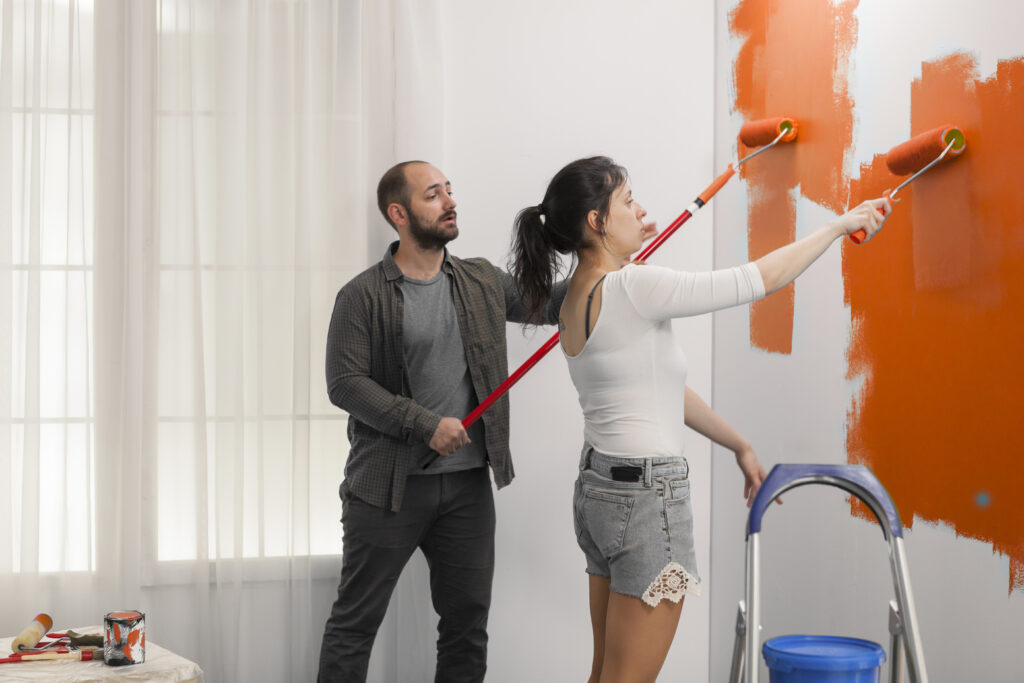
Technique also plays a major role in the final appearance. Rushing through the job is one of the most common mistakes people make. This rush produces roller marks, uneven coverage, and visible lap lines. Paint needs time to level and dry properly, and moving too quickly across the wall will lead to overlapping strokes that remain visible long after the paint cures. Maintaining a wet edge allows each section to blend smoothly into the next, but this only works when you paint at a steady, consistent pace. Applying the paint too thinly leaves the old color showing through, while too much paint causes textural issues and drips. A balanced rhythm and controlled application can make a dramatic difference in the overall result.
Avoiding all these mistakes can lead to a smoother experience and results that genuinely enhance your home. Still, painting is labor-intensive and technically demanding. That’s why many people turn to professionals like Van Tuinen Painting. We bring years of experience to every project, ensuring your walls, ceilings, trim, and cabinets receive the care from start to finish. If you’re ready to refresh your home with some long-lasting color, contact us today.